


Stories

Preface: Thoughts on Survival Anxiety
In the world of hardware development, there’s a common joke: if a product isn’t plugged in, it’s just an expensive paperweight.
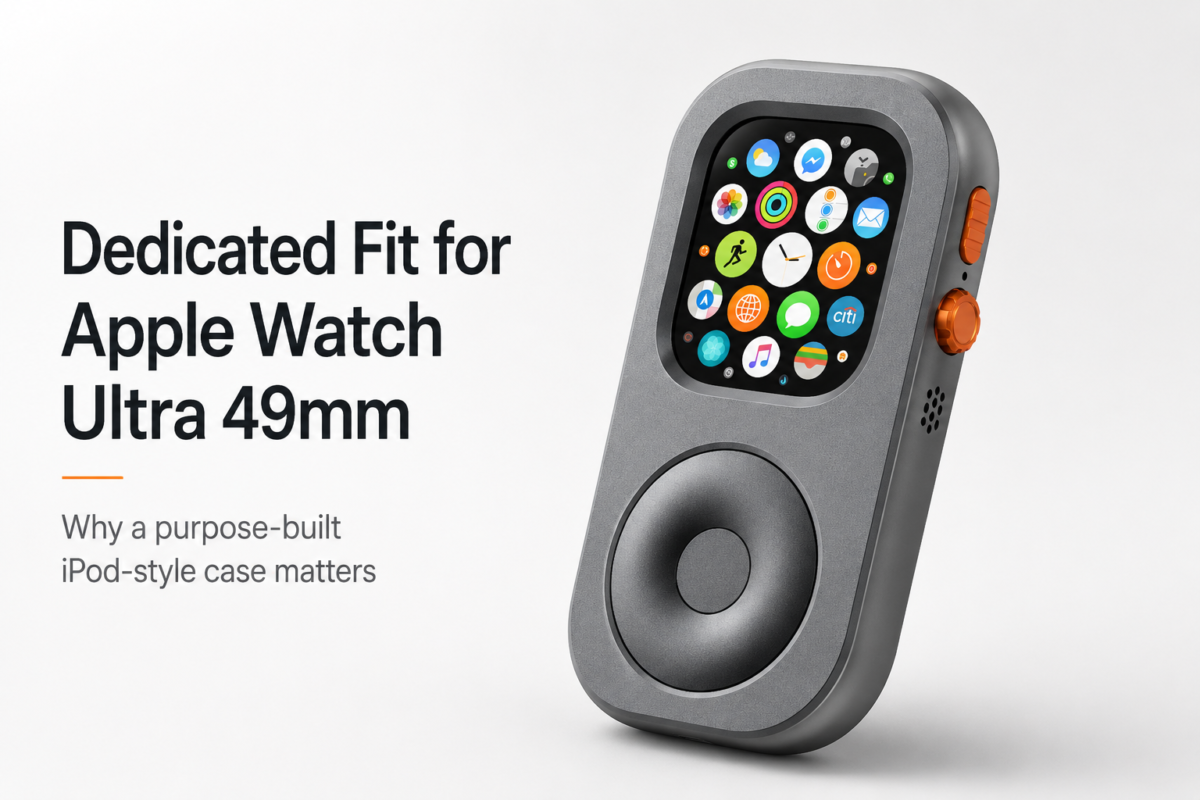
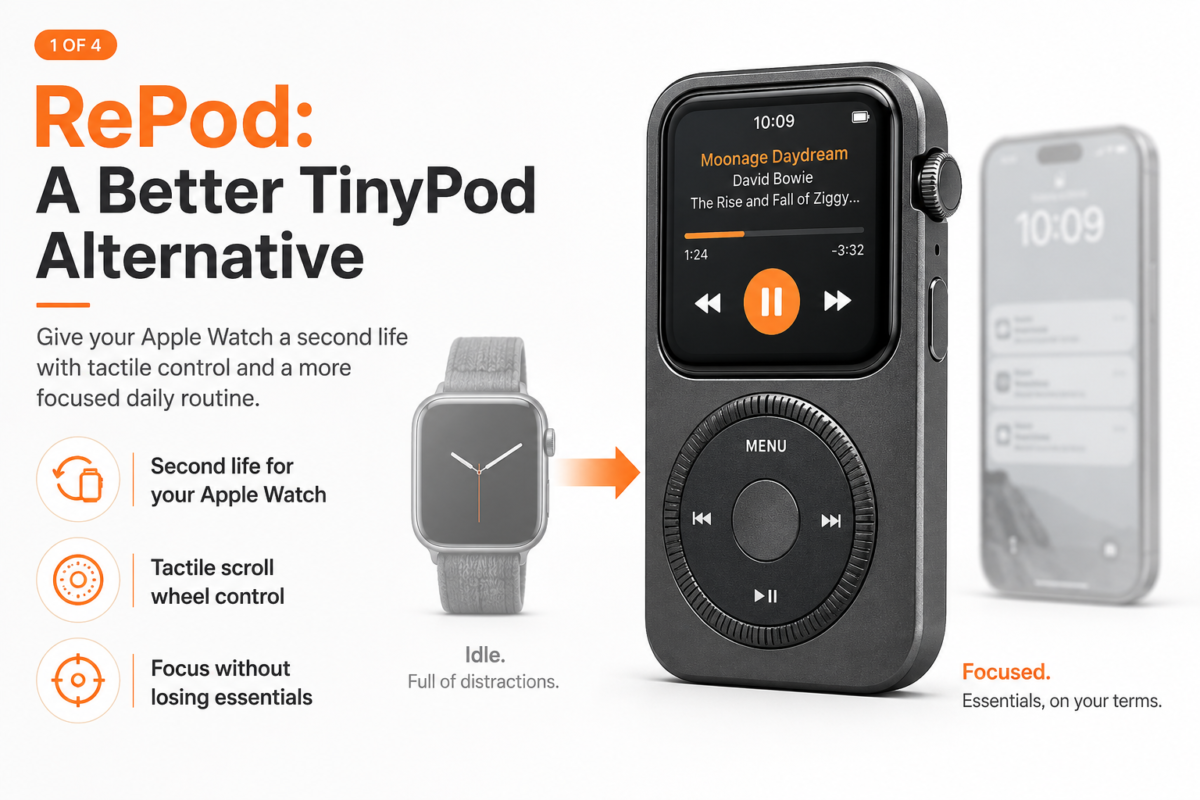
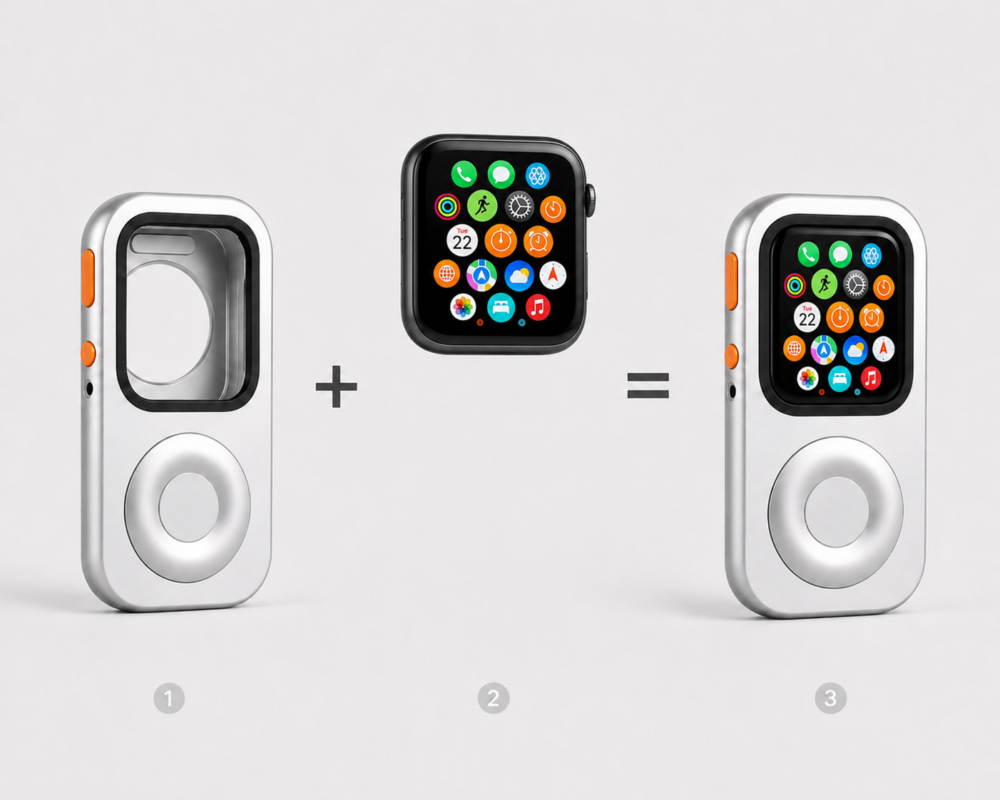
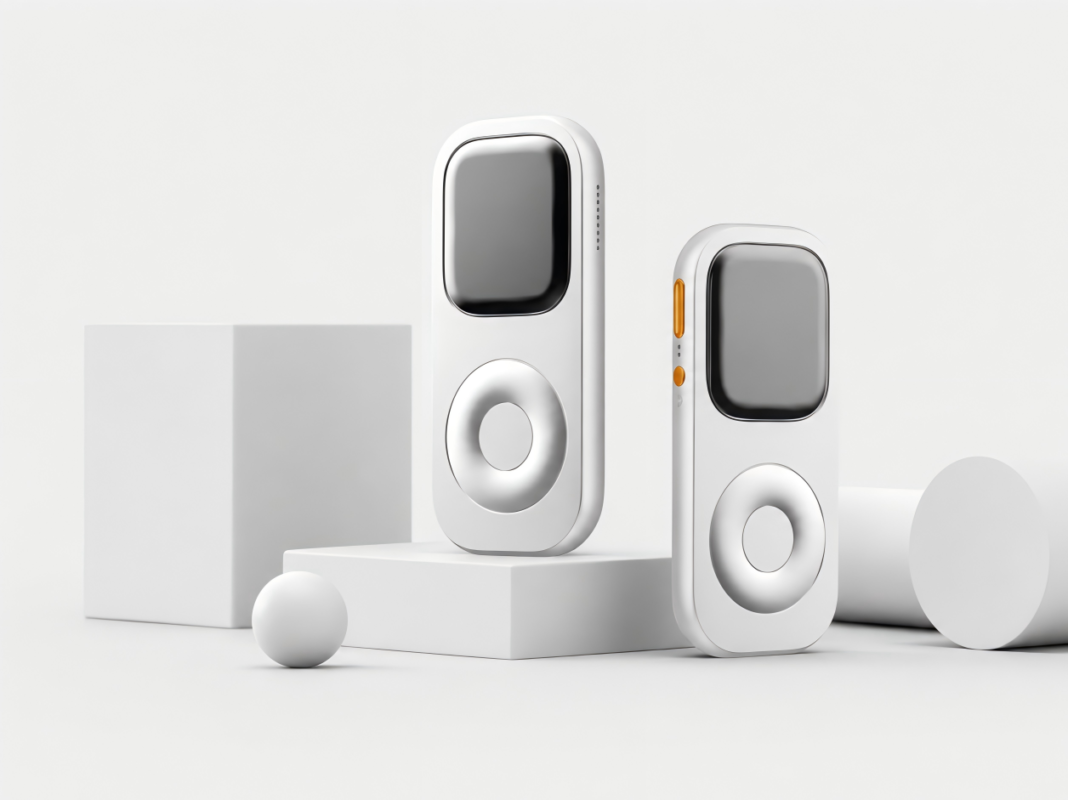
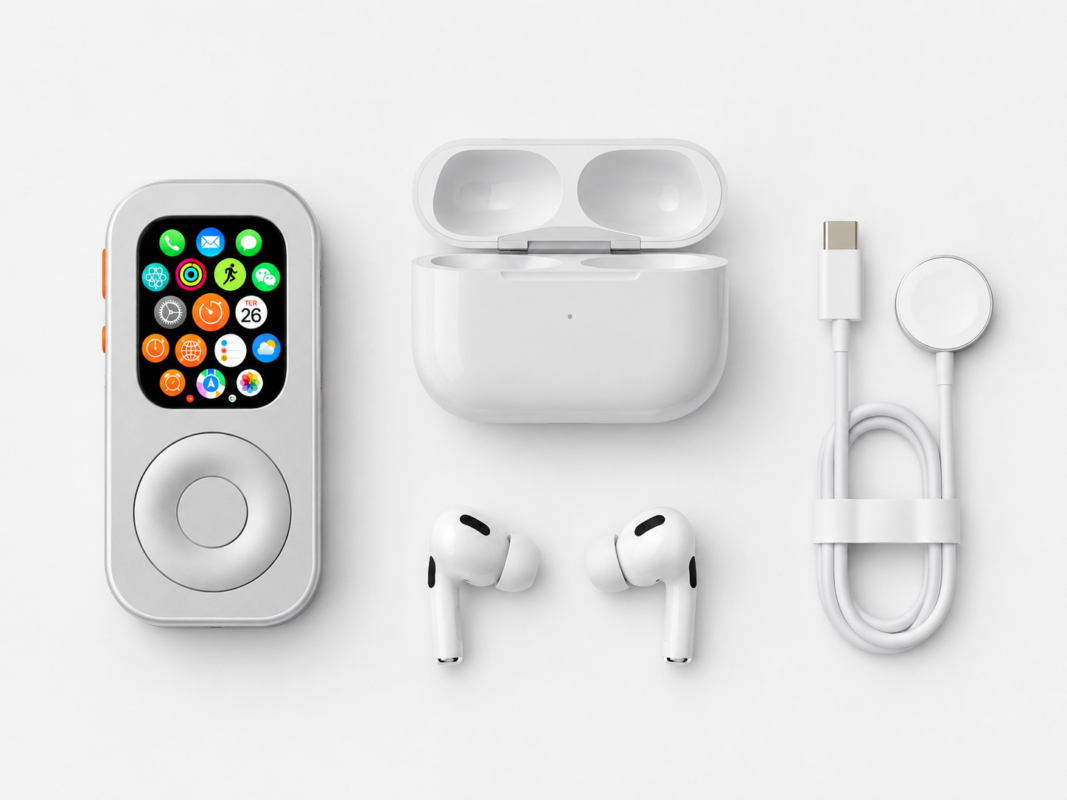
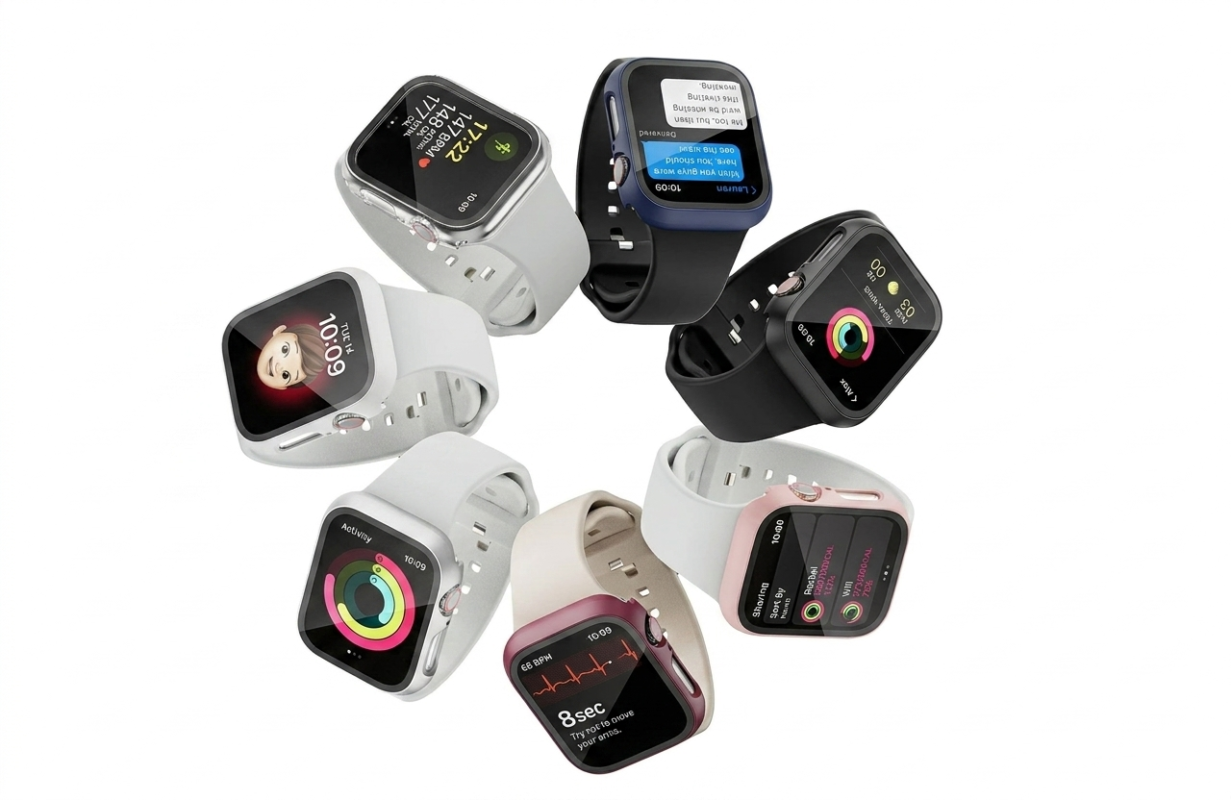
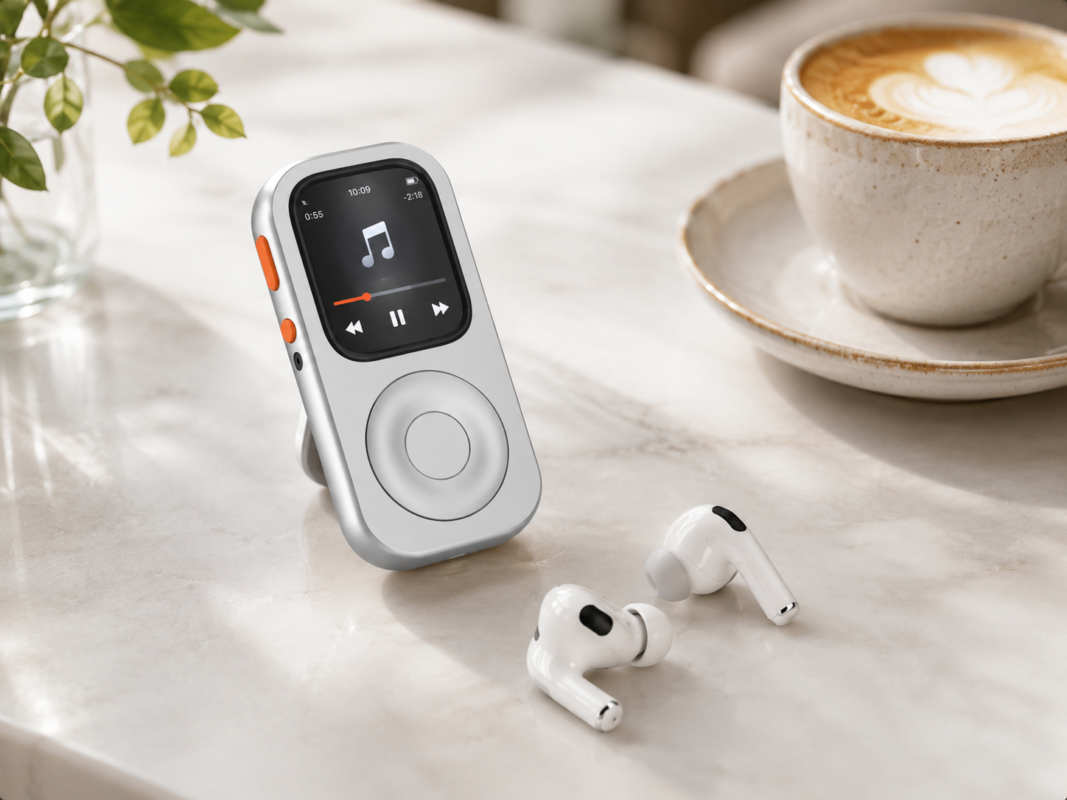
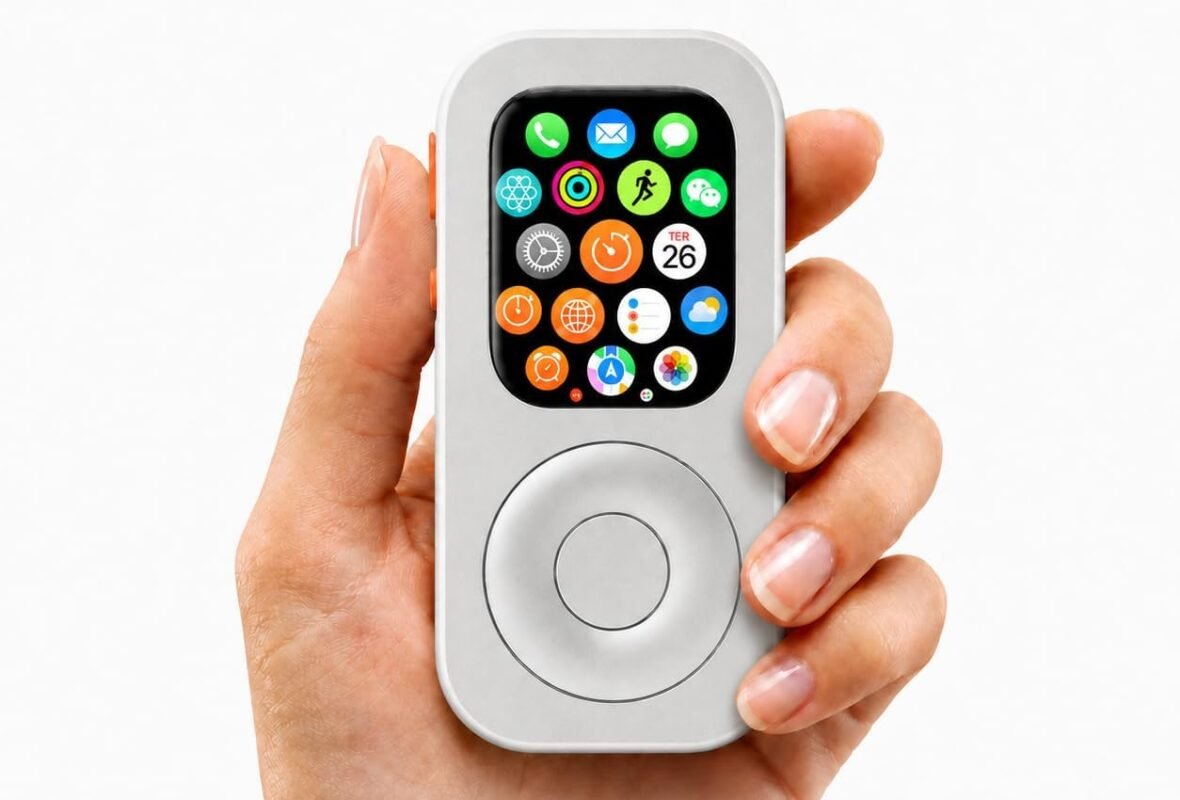
For the Apple Watch, this joke hits a bit too close to home. As a PM, I am acutely aware of the Apple Watch’s position in the ecosystem: it’s an extension of the iPhone, a tethered device that requires a daily charge. But when we decided to tuck it into the repod pro and transform it into a standalone music player—a “digital detox” tool for a weekend hike—the native battery capacity became its most glaring weakness.
If the repod pro couldn’t solve the power problem, then all the retro design and mechanical wheels would just be lipstick on a dying pig.
Part I: 1500mAh—The “Extreme Tug-of-War” within 18mm
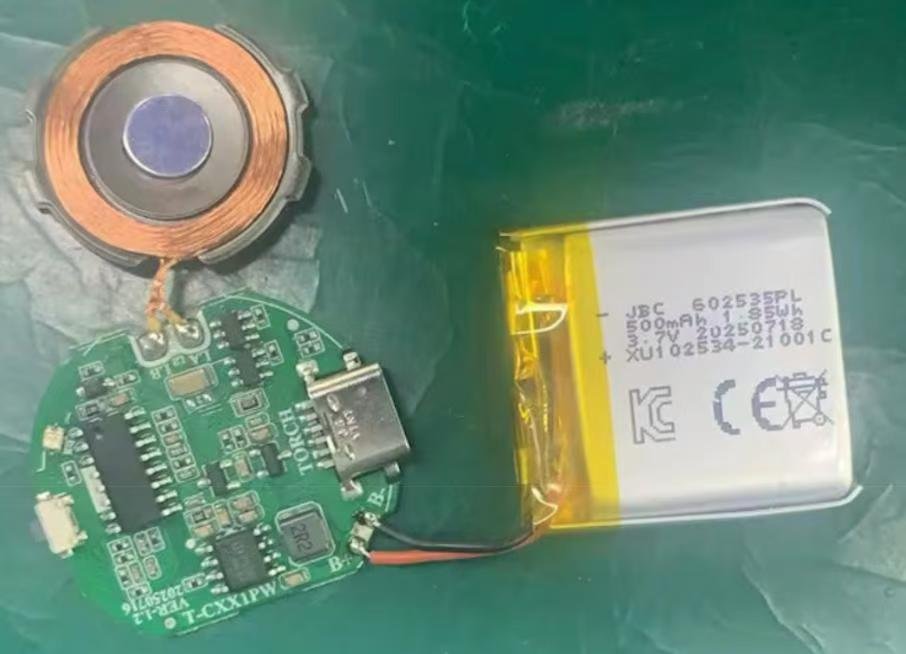
When we locked in the 1500mAh specification, the structural engineers looked at me like I was insane.
“Steve, you want a scroll wheel, a 3.5mm jack, room for thermal dissipation, and now you want a 1500mAh cell? That’s nearly five times the native capacity of the watch!”
But I knew this number was non-negotiable. 1500mAh is a psychological threshold. It means a user can take the repod pro on a weekend trip without a charger. It means even with Bluetooth running, music playing, and the wheel spinning, you still have the confidence to ignore the red low-battery icon.
To keep this battery, we compressed the internal space to its breaking point. We sourced high-density polymer cells and strictly capped the thickness at 18mm. Every millimeter of stack-up was a battle for survival.
Part II: Not Just a Power Bank, but a “Power Management Center”
People ask: “Isn’t this just a battery case?”
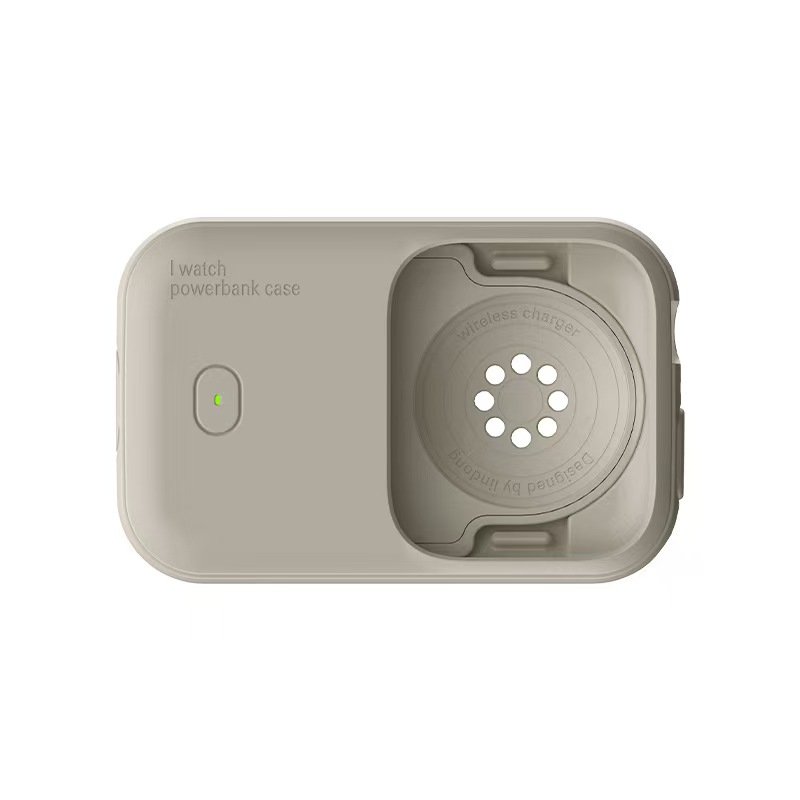
No. It’s a different beast entirely. A simple power bank blindly dumps current. The repod pro requires an intelligent Power Path.
We designed a USB-C pass-through architecture. When you plug in the cable, the system faces a complex priority decision: Do we charge the watch? Do we top up the internal 1500mAh cell? Do we do both?
My PM directive was clear: Watch First. We utilized a “penetration” charging technology that ensures power is prioritized via the wireless coils to the watch first. Only excess wattage flows to the internal battery. We never want a user to leave the house with a full case and a dead watch.
Part III: The Controversial Wireless Charging Switch
During a circuit review, I made a request that baffled the team: “Add a dedicated physical switch for the wireless charging function.”
Engineers argued, “Modern power banks are automatic. You put it on, it charges. Why make the user press a button?”
This is where PM intuition clashes with pure technical logic. If you’re a long-term Apple Watch user, you know the pain of “Battery Health.” If the repod pro is constantly forced-charging the watch, keeping it at 100% and generating heat, the watch battery will be degraded within six months.
I insisted that the repod pro give control back to the user. Long-press the center button of the scroll wheel to activate charging when you need a boost. Turn it off when you just want a pure music player. This “On-Demand Power” interaction adds a tiny learning curve, but it respects the hardware’s longevity and adds a sense of “instrument-grade” control.
Part IV: The “Power Hunger” of the 3.5mm Jack
Adding the 3.5mm audio jack raised the stakes for power management.
This isn’t a passive port; it’s backed by a Bluetooth receiver, a DAC, and an amp circuit. These are “power vampires.” Without the 1500mAh foundation, adding a 3.5mm jack would be a suicide mission. Our tests showed significant power spikes when driving high-impedance headphones.
To ensure audio purity, we designed an independent Low-Dropout Regulator (LDO) circuit specifically for the audio module. It’s an expensive luxury in terms of energy, but for that “warm analog sound,” it’s a price worth paying.
Part V: Thermal Management—The “Ice and Fire” of Aluminum
Big batteries, high-wattage wireless charging, and audio decoding—heat is an unavoidable curse.
If the heat doesn’t dissipate, charging efficiency drops, and the device becomes uncomfortable to hold. Our solution was to use the integrated aluminum shell as a natural heat sink.
We covered critical components like the coils and ICs with high-conductivity graphite sheets, bonding them directly to the metal case. When you touch the repod pro and feel that cold aluminum, you’re feeling the device breathing. I often joke with the team: if it feels a little warm in the winter, that just means it’s working hard for you.
Conclusion: Power is the Ultimate Freedom
In the end, battery capacity might be the least ‘social-media friendly’ feature of the repod pro. No one posts a photo of a battery cell to show off. But as a PM, I know it is the bedrock of the entire experience. It allows the Apple Watch to stop being a satellite of the iPhone and finally become a planet of its own. When you pull the plug and head into the mountains for a weekend, it’s not the retro aesthetics you’ll be thanking—it’s every single one of those 1500 milliamp-hours that kept your music playing and your map live. We didn’t just give you more power; we gave you the freedom to walk away.