Are smartphone notifications driving you crazy? You want less screen time but still need essential tools. The constant buzzing makes focus impossible.
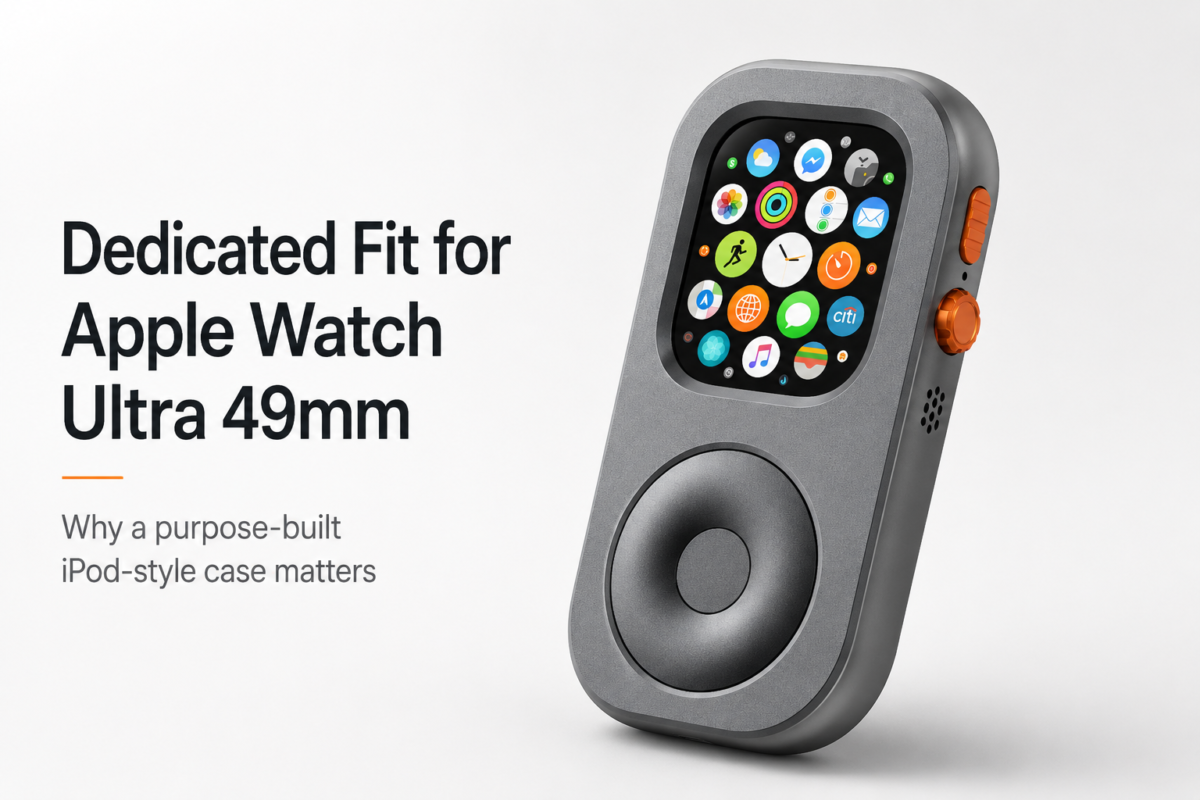
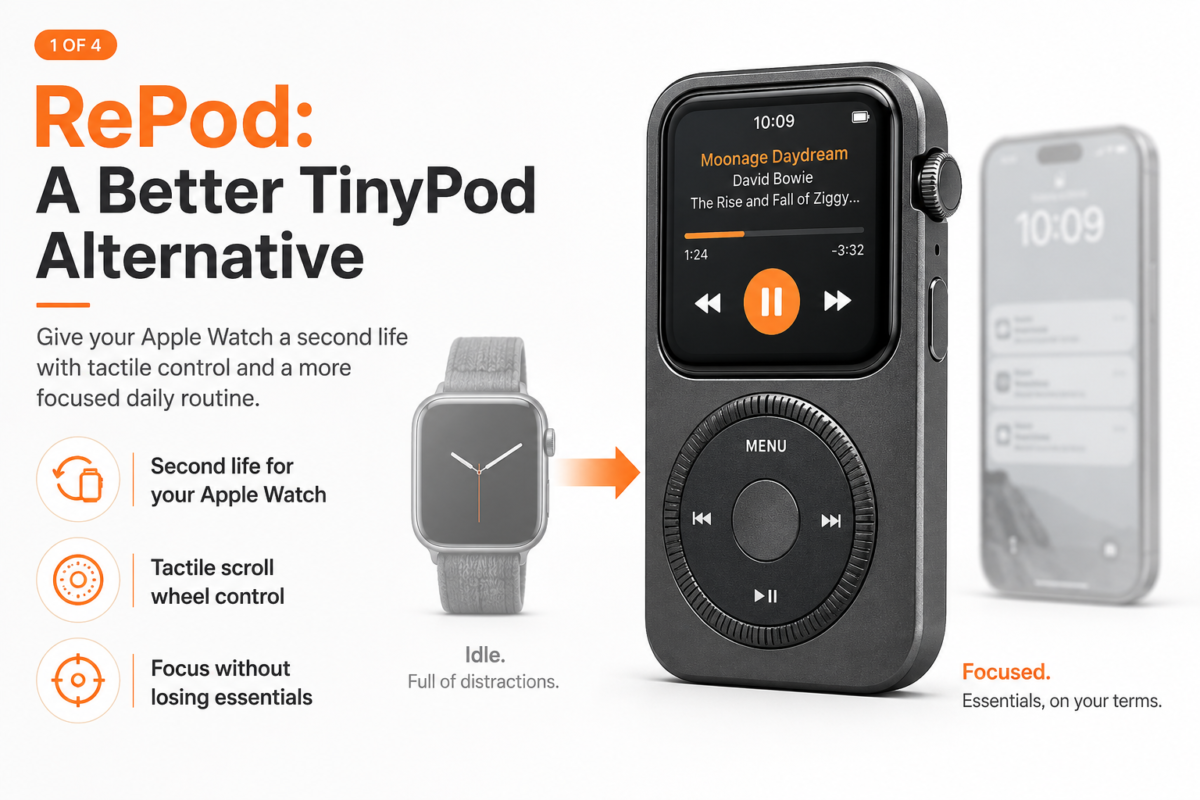
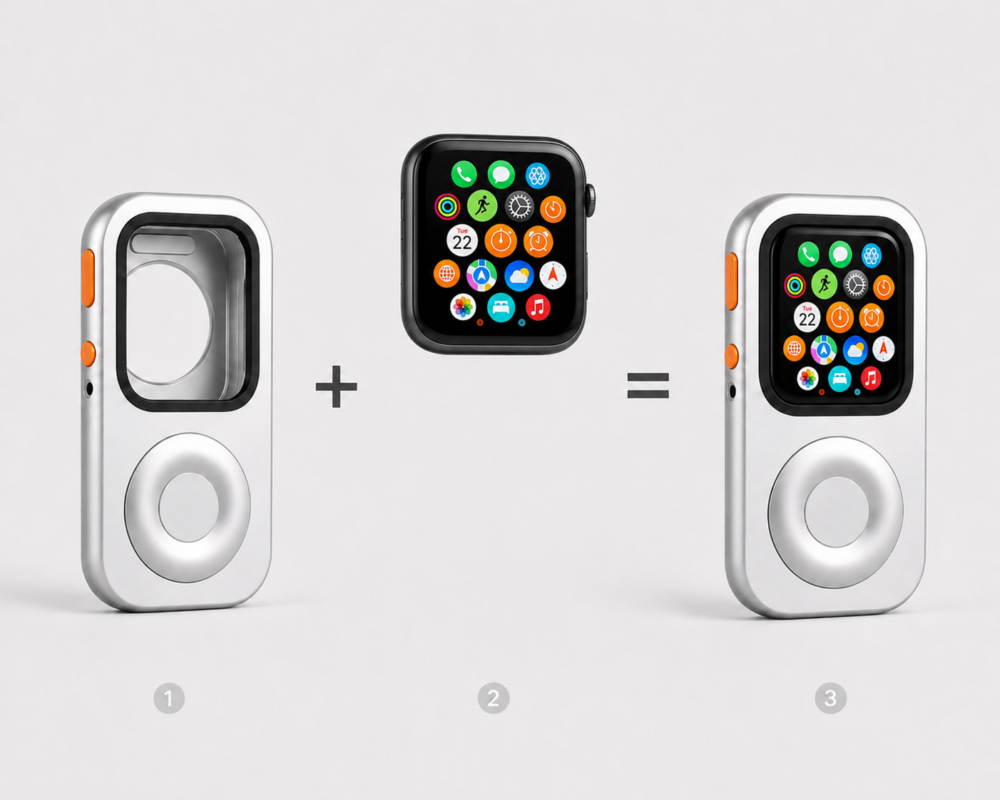
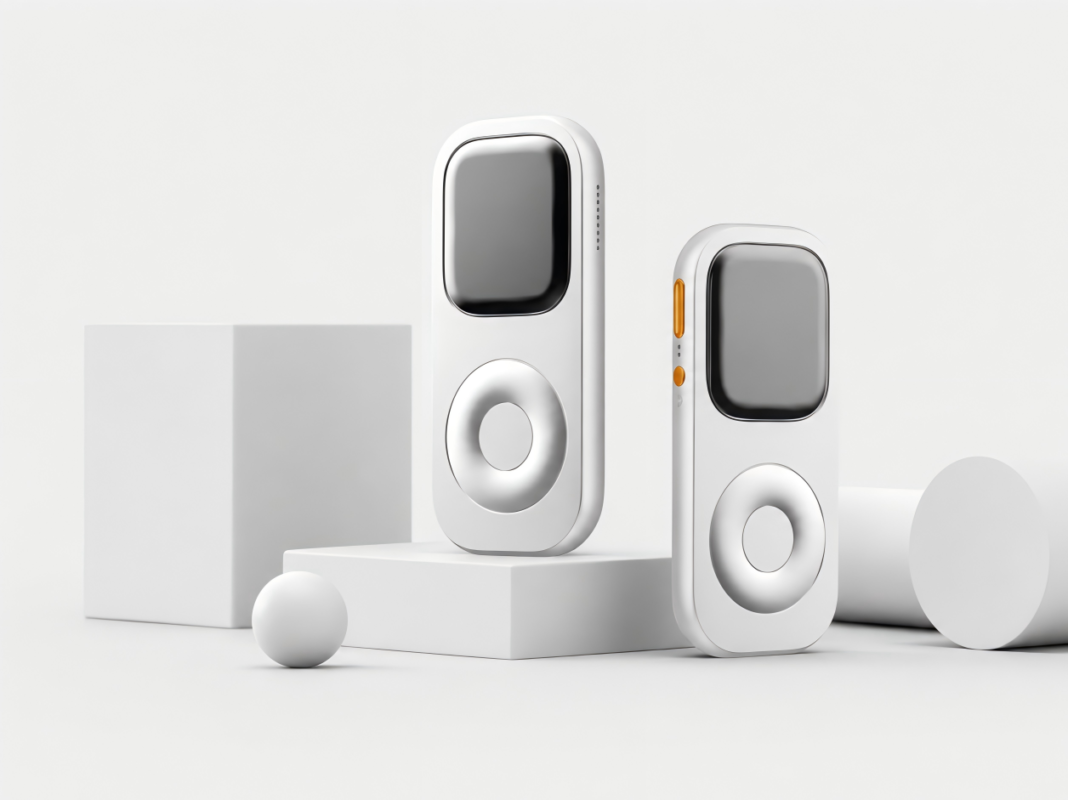
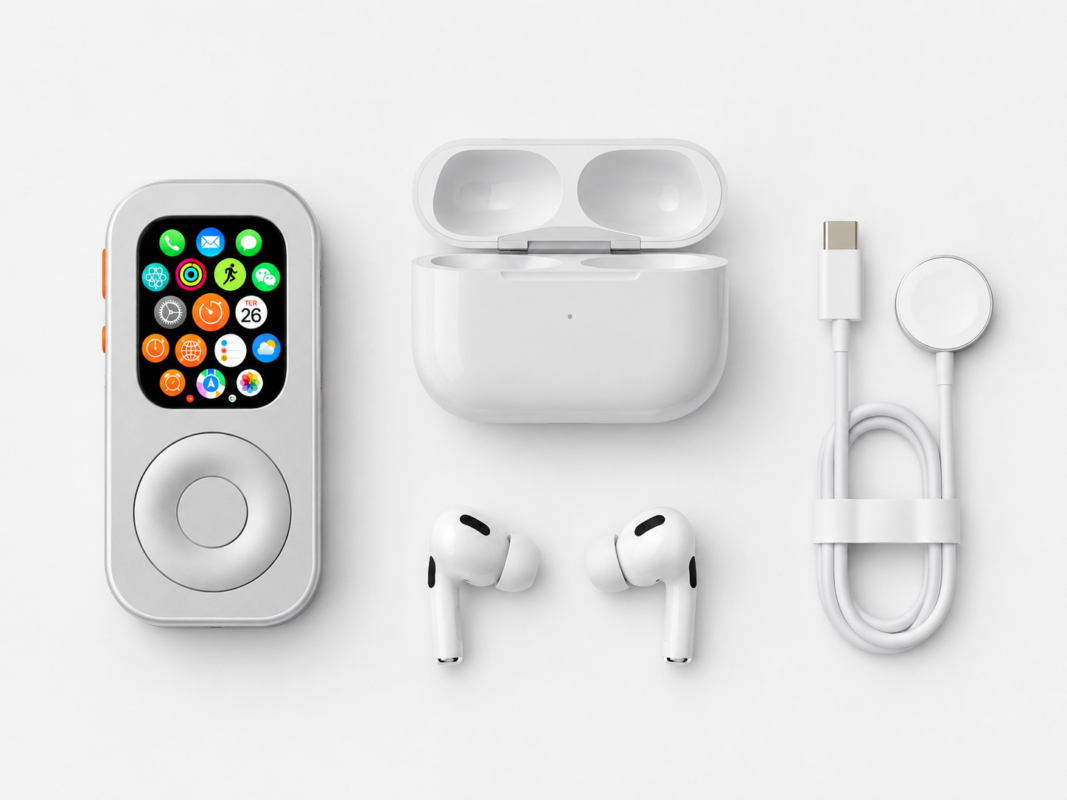
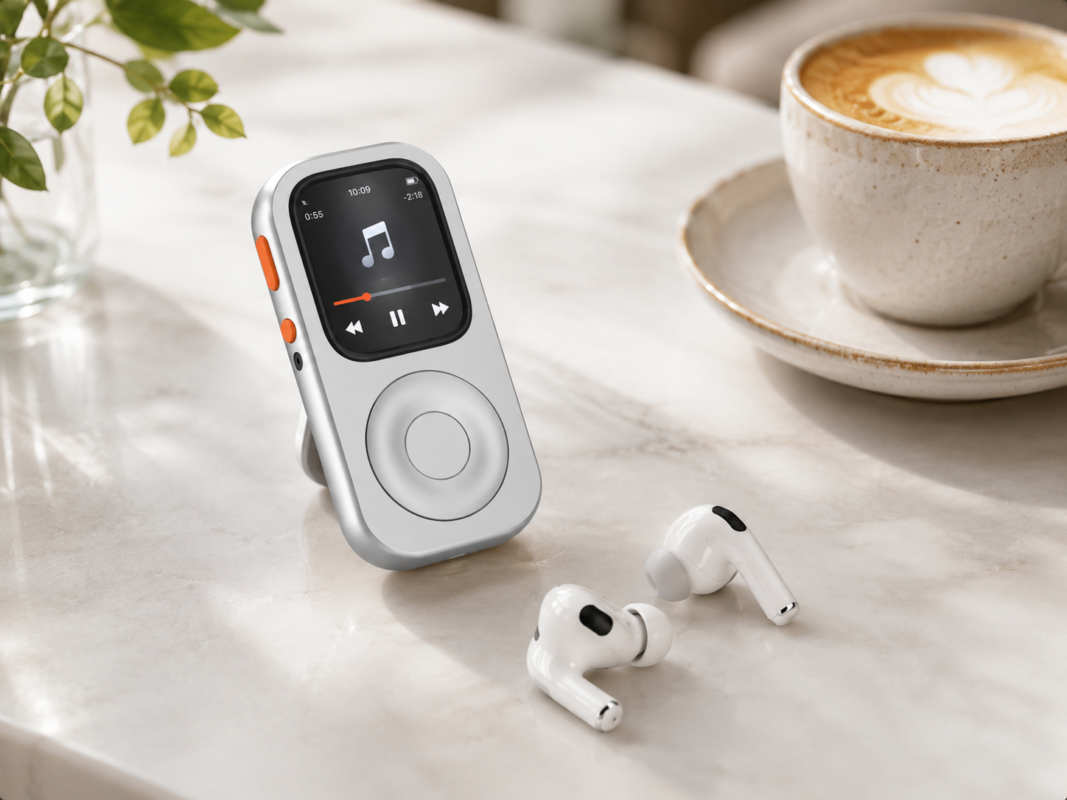
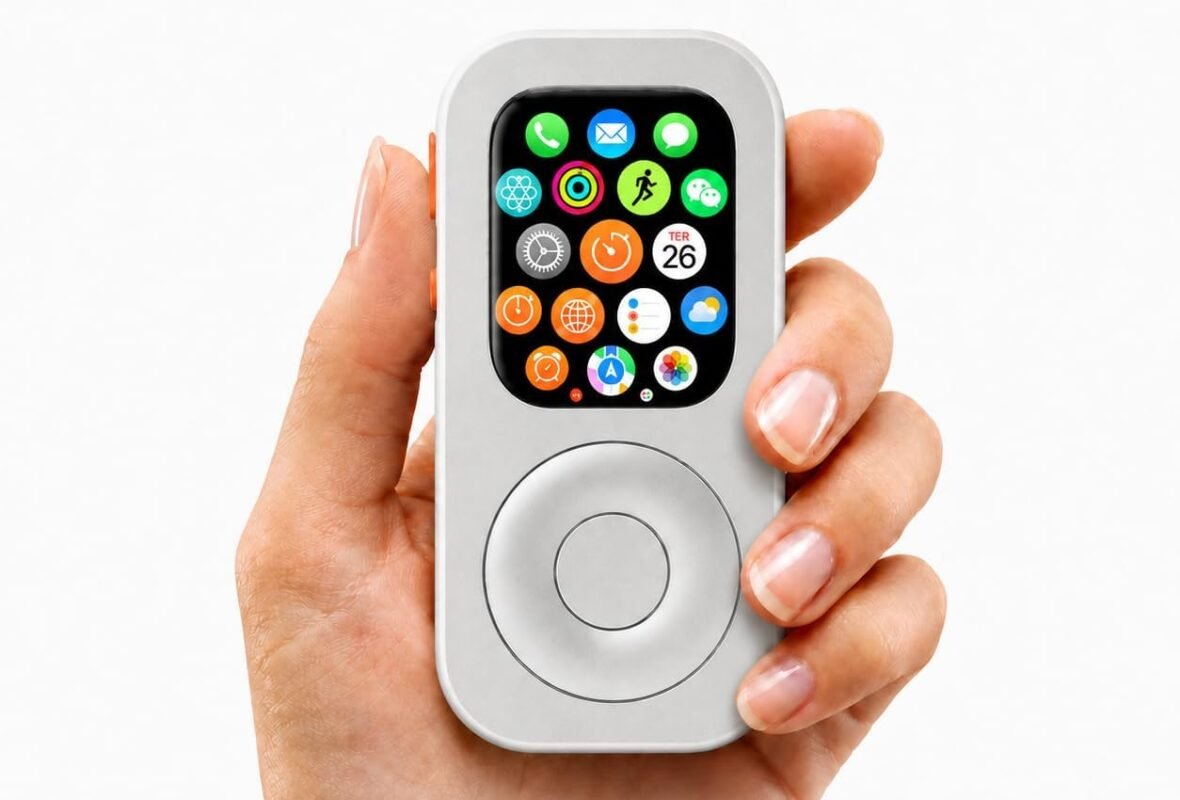
The RePod Apple Watch case transforms your wearable into a minimalist pocket computer. It strips away distractions while keeping core functions like cellular connectivity and music. This hardware hack revives the classic iPod feel using modern S-series processors.
I started looking into this trend recently. As a mold designer, I see more than just a cool gadget. I see a complex manufacturing challenge. Let us explore the design and molding secrets behind this device.
How Does the RePod Case Redefine Wearable Hardware Design?
Designing small tech accessories is hard. You face tight spaces and heat issues. Small mistakes ruin the user experience.
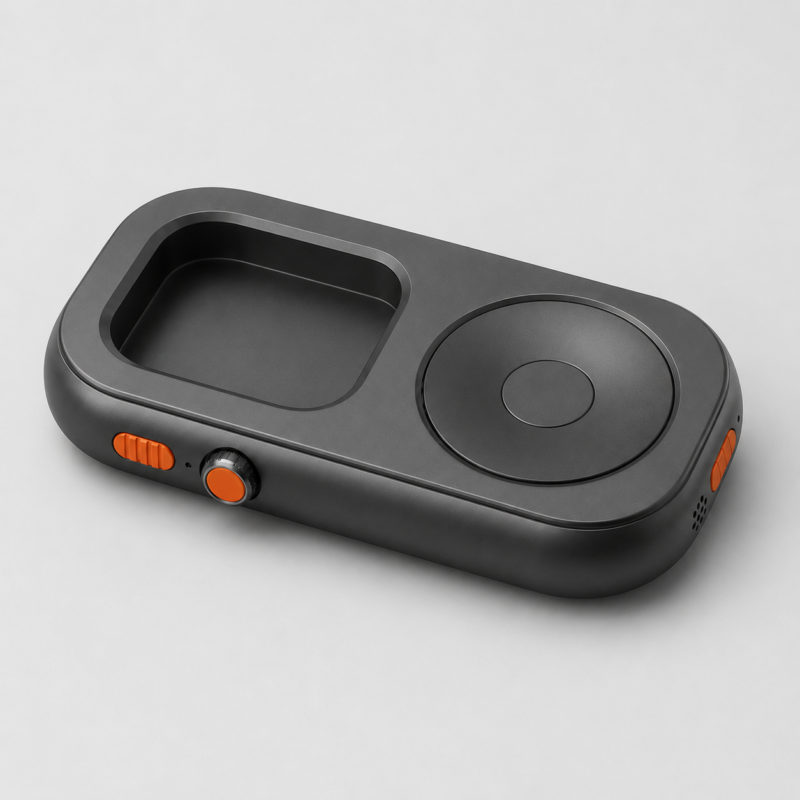
The RePod case redefines wearable design by turning a wrist-bound device into a handheld tool. It requires precise internal geometry to hold the watch body securely without blocking antennas or the scroll wheel interface.
The Engineering of Small Spaces
I designed a small plastic housing for a Bluetooth tracker early in my career. I thought it was simple. But the internal components did not fit after the first mold trial. The wall thickness was too thin. The plastic warped. I lost two weeks fixing the mold. This taught me a hard lesson about compact design.
The RePod case faces a similar problem. The Apple Watch has a specific curve. The case must match this curve perfectly. You cannot leave empty space. Empty space makes the case feel cheap. You also need to protect the screen. The RePod case tries to recreate the iPod click wheel experience. This is very hard to do mechanically. You must design a physical wheel that touches the Apple Watch digital crown. The tolerances here are tiny. If the wheel is too loose, the user feels no response. If the wheel is too tight, it will damage the watch. I remember testing different gear ratios for a similar project. We spent weeks getting the feel right. You must consider the user’s tactile feedback. It makes or breaks the product.
Material Selection Matters
You must choose the right plastic. The plastic must be rigid enough to protect the watch. It must also be slightly flexible so the user can insert the watch safely. PC/ABS is a common choice here. It offers good impact resistance. We can compare the design needs below.
Design Factor
Wearable Device
Handheld RePod Case
Drop Protection
Low
High
Wall Thickness
Extremely thin
Medium
Tolerance
High precision
High precision
I know you deal with tight project deadlines. You can speed up the design phase. You can use standard wall thickness rules. Do not try to make walls thinner than 1.2mm for this type of case. You will avoid sink marks. You will also make the mold designer’s job easier. The mechanical fit is the most important part of this product. It turns a watch into a pocket device.
What Are the Injection Molding Challenges for the RePod Case?
Small plastic parts shrink unpredictably. You struggle with warp and dimensional stability. Your mold rejects pile up quickly.
Injection molding the RePod case involves strict shrinkage control and precise wall thickness management. The mold must accommodate complex undercuts for the watch insertion mechanism while maintaining a flawless exterior cosmetic finish.
Mastering Mold Shrinkage
I know you calculate mold shrinkage often. It is a big challenge. I remember a project from my early factory days. I calculated the shrinkage for a POM gear incorrectly. The gear was too small. We had to scrap the entire mold cavity. It was an expensive mistake.
For the RePod case, shrinkage is critical. The Apple Watch relies on a friction fit inside the case. If the case shrinks too much, the watch will not fit. If it shrinks too little, the watch will fall out. You must also consider draft angles. A draft angle allows the part to eject from the mold easily. The RePod case has a deep cavity. You need at least a 1.5-degree draft angle on the inside walls. If you do not have enough draft, the part will stick to the core. This causes ejector pin marks. Ejector pin marks look terrible on consumer products. Sometimes, the part can even crack during ejection. I always review the draft analysis in my CAD software twice before cutting steel.
Dealing with Complex Undercuts
The case needs openings for the scroll wheel and the charging port. These openings create undercuts in the mold. You cannot use a simple open-and-close mold. You need sliders or lifters. Sliders add cost to the mold. They also add maintenance time. You must design the sliders carefully to avoid flash on the cosmetic surfaces.
Molding Challenge
Cause
Solution for RePod Case
Sink Marks
Thick plastic sections
Core out thick areas
Warpage
Uneven cooling
Add conformal cooling channels
Flash
Poor slider fit
High-precision CNC machining
I suggest using a high-quality steel for the mold cavity. NAK80 steel is a good choice. It takes a high polish. It also resists wear from the sliders. The surface finish is very important for consumer electronics. Users will hold this case in their hands all day. They will feel any sharp edges or flash. You must ensure the parting line is perfect. I always tell my clients to invest more in the mold tooling upfront. It saves money on rejected parts later.
Can We Scale the Production of Miniature Smart Accessories?
Prototyping is easy but scaling is brutal. You face rising tooling costs and slow cycle times. Your profit margins shrink fast.
Scaling production for accessories like the RePod requires multi-cavity molds and automated ejection systems. You must balance CNC machining precision for the mold with fast cycle times to keep the unit cost low.
Balancing Speed and Quality
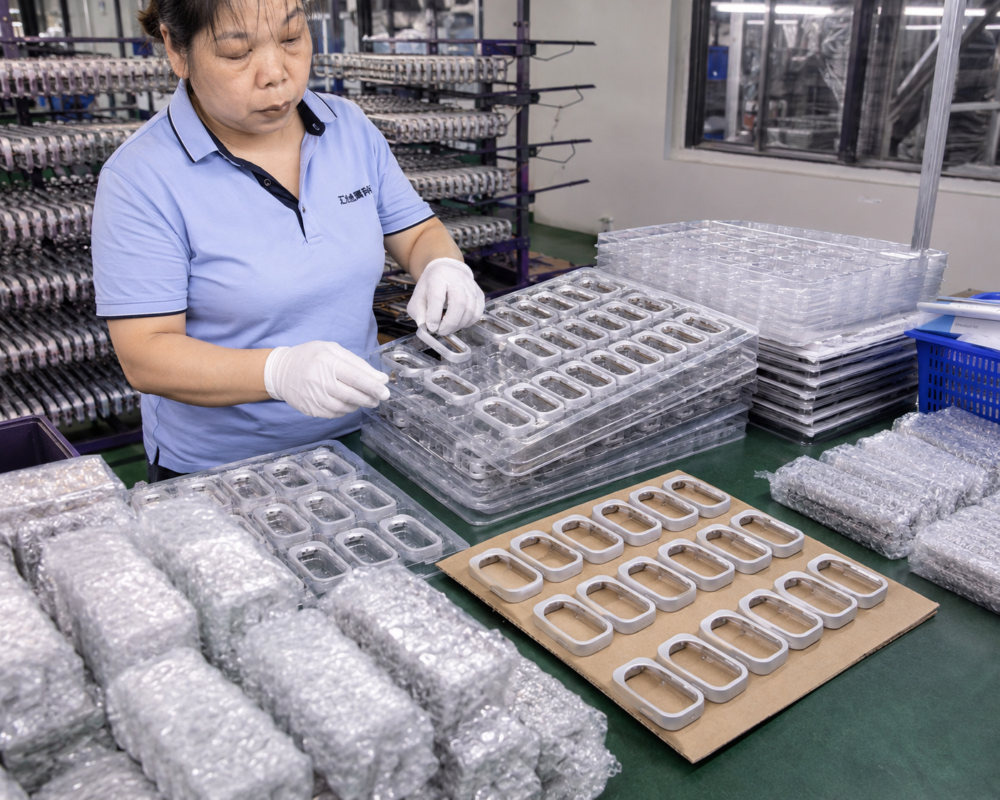
Prototyping the RePod case is easy with a 3D printer. Mass production is a different story. You need to produce thousands of cases quickly. I started my CNC trading company to solve this exact problem. I saw many designers struggle to move from design to mass production.
You must optimize the cycle time. A long cycle time increases the part cost. The cooling phase is usually the longest part of the cycle. Quality control becomes very difficult at high volumes. You cannot inspect every single case by hand. You must set up automated inspection systems. Vision systems can check for flash or short shots automatically. A short shot happens when the plastic does not fill the mold completely. This is common with thin-walled parts like cases. You must monitor the injection pressure and melt temperature constantly. I tell my factory partners to keep strict logs of every machine parameter. If a batch of cases fails the fit test, we can look at the logs to find the problem.
Optimizing Mold Cooling
You need to cool the plastic quickly and evenly. Uneven cooling causes warpage. We discussed warpage earlier. It ruins the friction fit of the watch. You can use beryllium copper inserts in areas that are hard to cool. Beryllium copper transfers heat much faster than standard steel. This reduces the cycle time.
Production Metric
Standard Approach
Optimized Approach
Cavities
1 or 2
4 or 8
Cooling Method
Straight drilled channels
Conformal cooling
Cycle Time
45 seconds
25 seconds
You also need to think about automation. You can use a robot arm to remove the parts from the mold. This prevents scratches. Scratches are unacceptable for a premium tech accessory. The robot arm can also place the parts directly into the packaging line. This saves labor costs. It keeps the final product price competitive. We must use every trick we know to make production efficient. Good design is only half the battle. Efficient manufacturing is the other half. I learned this through years of trial and error in the factory.
Conclusion
The RePod case proves that digital minimalism requires complex manufacturing. We must master precision molding to bring these minimalist ideas to life. Keep designing smart!
Looking for a TinyPod alternative? Compare RePod and TinyPod-style Apple Watch iPod cases for music, Apple Pay, phone-free carry, and old Apple Watch reuse.
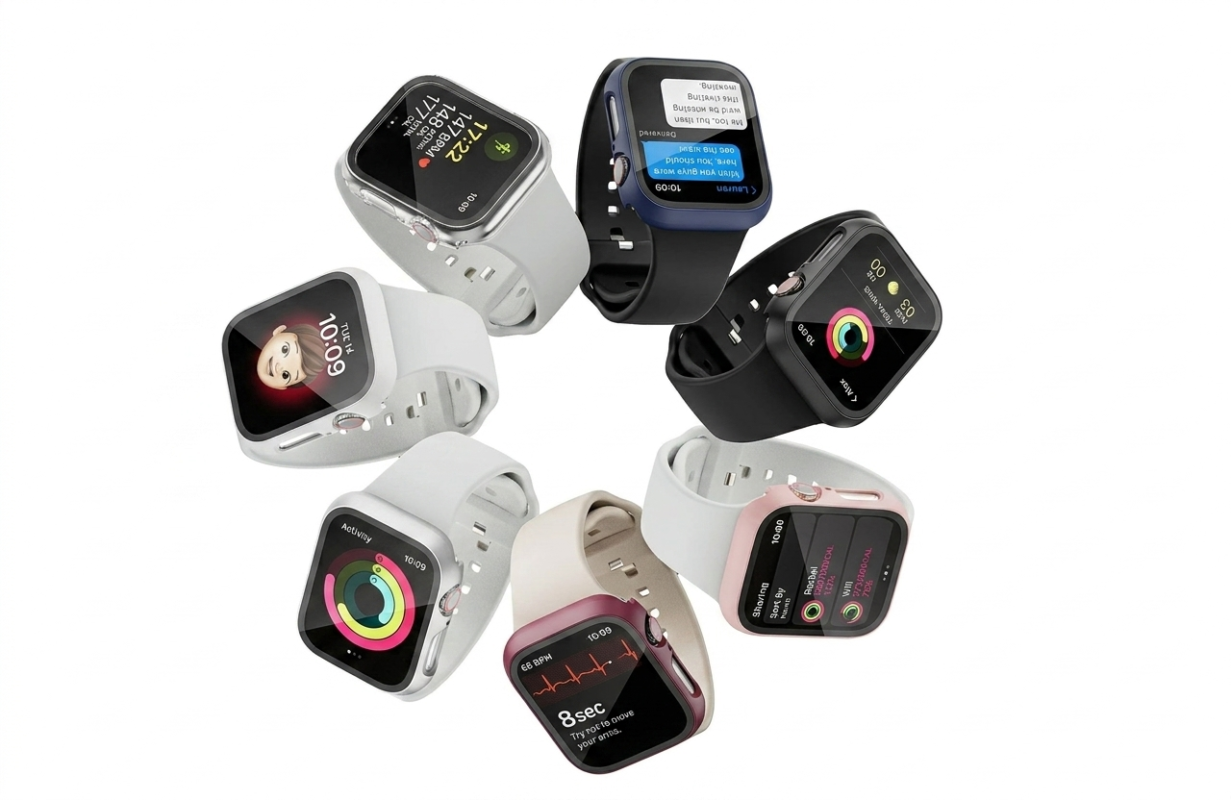
Wondering what to do with an old Apple Watch? Reuse it for music, Apple Pay, workouts, phone-free moments, or turn it into an iPod-style device with RePod.
RePod is not just a regular Apple Watch protective case. Learn how this iPod-style conversion shell turns Apple Watch into a handheld phone-free device.